Laboratory informatics
Software that follows how the laboratory really works
By connecting samples, tasks, instruments and results in one system, we make daily work easier to understand, operate and retrieve.
LIMS and sample lifecycle management
The system can support a process from sample receipt through storage and testing to archiving.
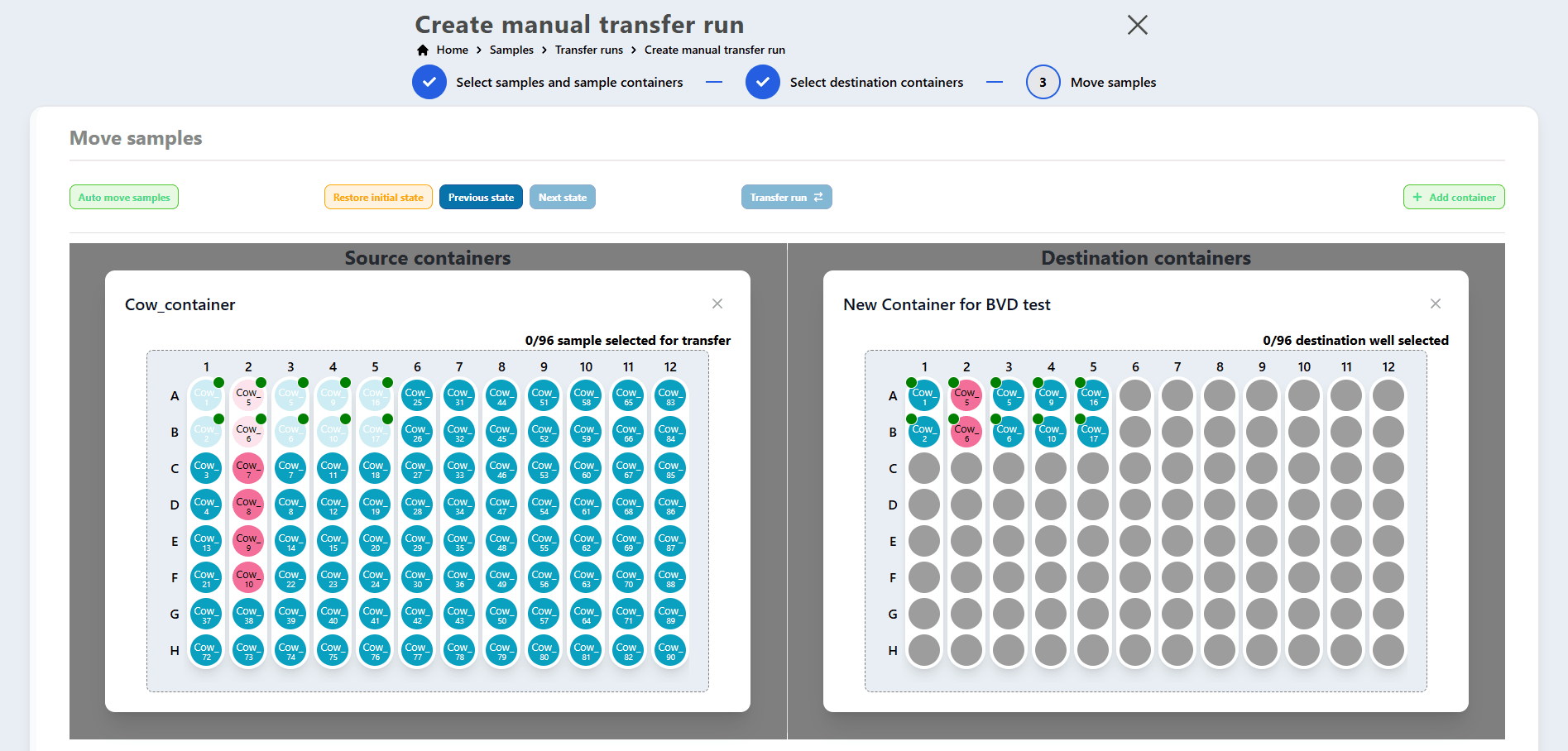
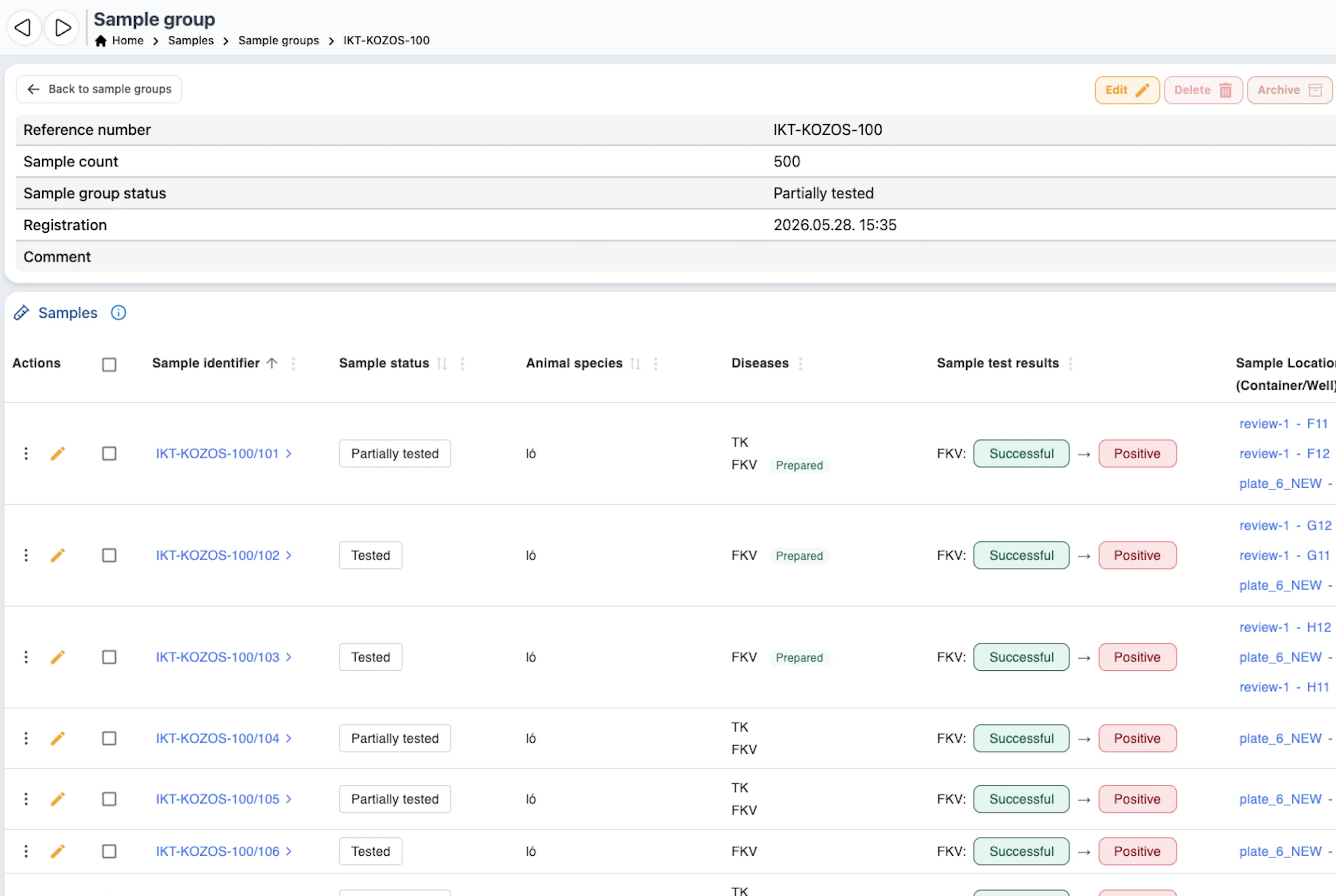
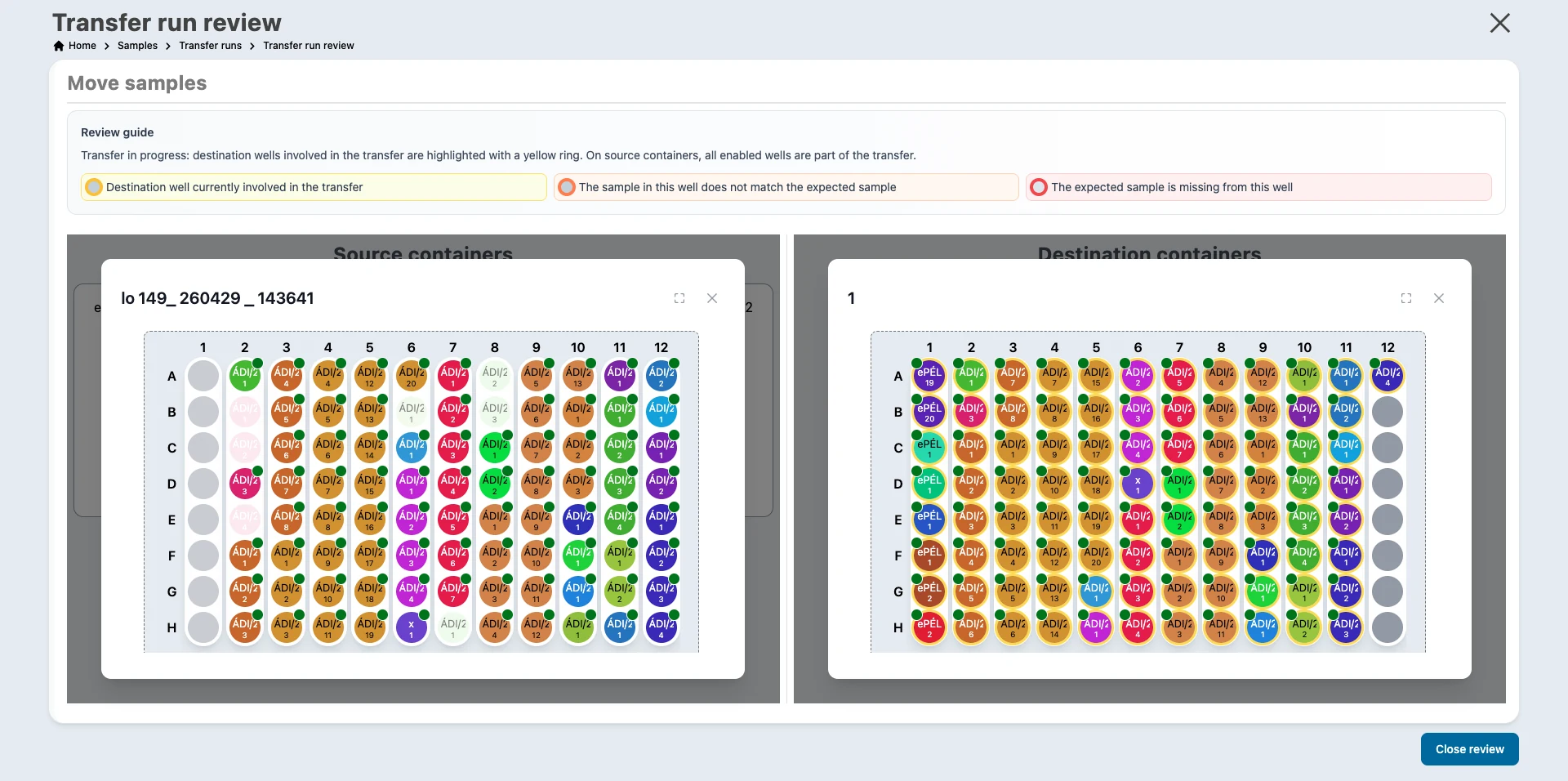
Samples can carry individual properties and group assignments, be placed in storage, transferred and linked to measurement tasks. Diagnostic modules can record the reagents and consumables used in testing, while logging makes important user actions and data changes retrievable.
The precise functions follow the laboratory’s own process. The objective is not a rigid off-the-shelf workflow, but the required level of traceability and work coordination.
- sample and storage-location records
- testing and diagnostic workflows
- connected reagent and consumable information
- permissions, logging, export and archiving
Tecan control software and graphical operator interfaces
Tecan control software can be complemented by a simple graphical user interface tailored to the laboratory’s tasks.
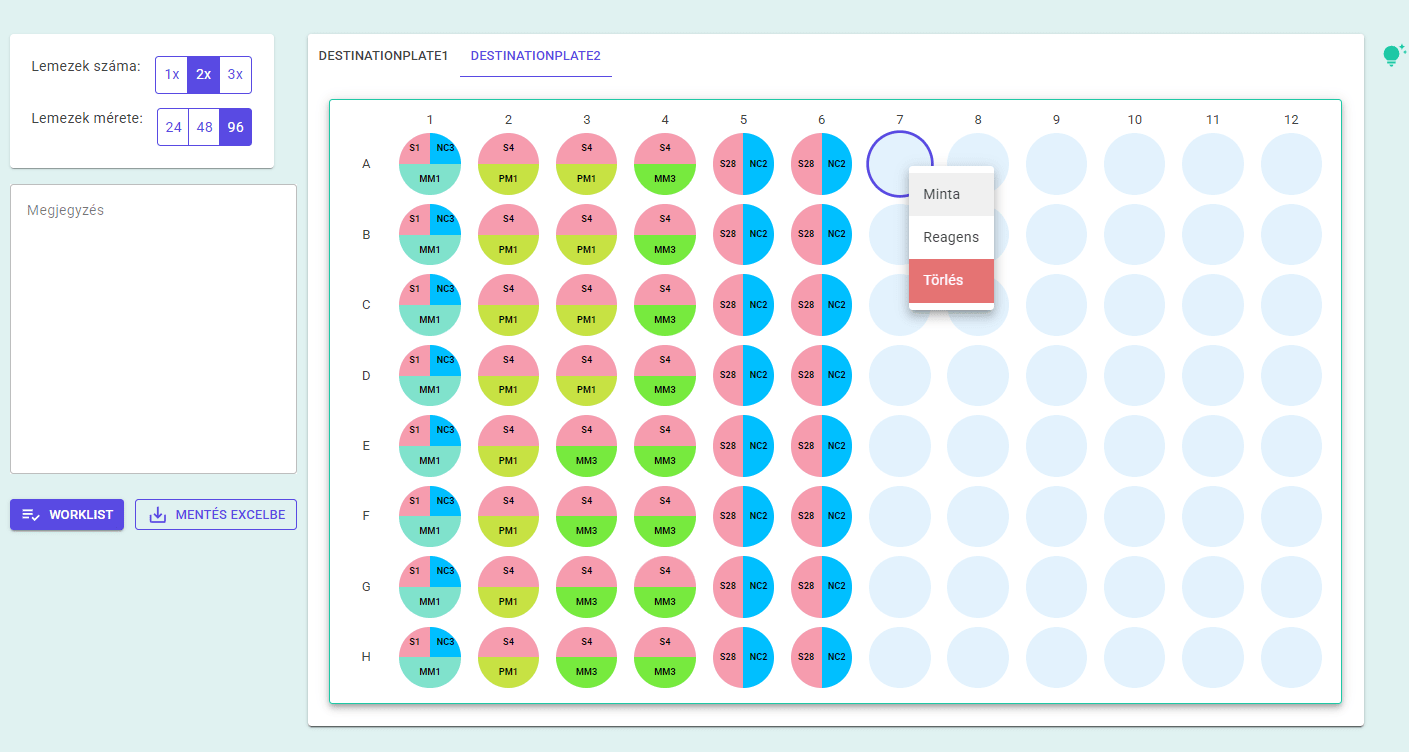
A workflow built in FluentControl can be paired with a graphical operator interface that presents only the settings and actions required for routine work. Operators can start PCR preparation, sample pooling or other pipetting tasks without in-depth programming knowledge while the approved automated process runs in the background.
Tasks can be saved as individual projects, while frequently repeated work can start from reusable templates. Sample and plate data can be imported from external sources and completed project data can be exported, allowing the interface to fit existing laboratory data flows. On the Veya platform, application-specific operation built around vControl and OneView serves the same purpose.
Method development
Coordination of pipetting steps, liquid classes, labware definitions, robotic movements and integrated devices.
Operator workflow
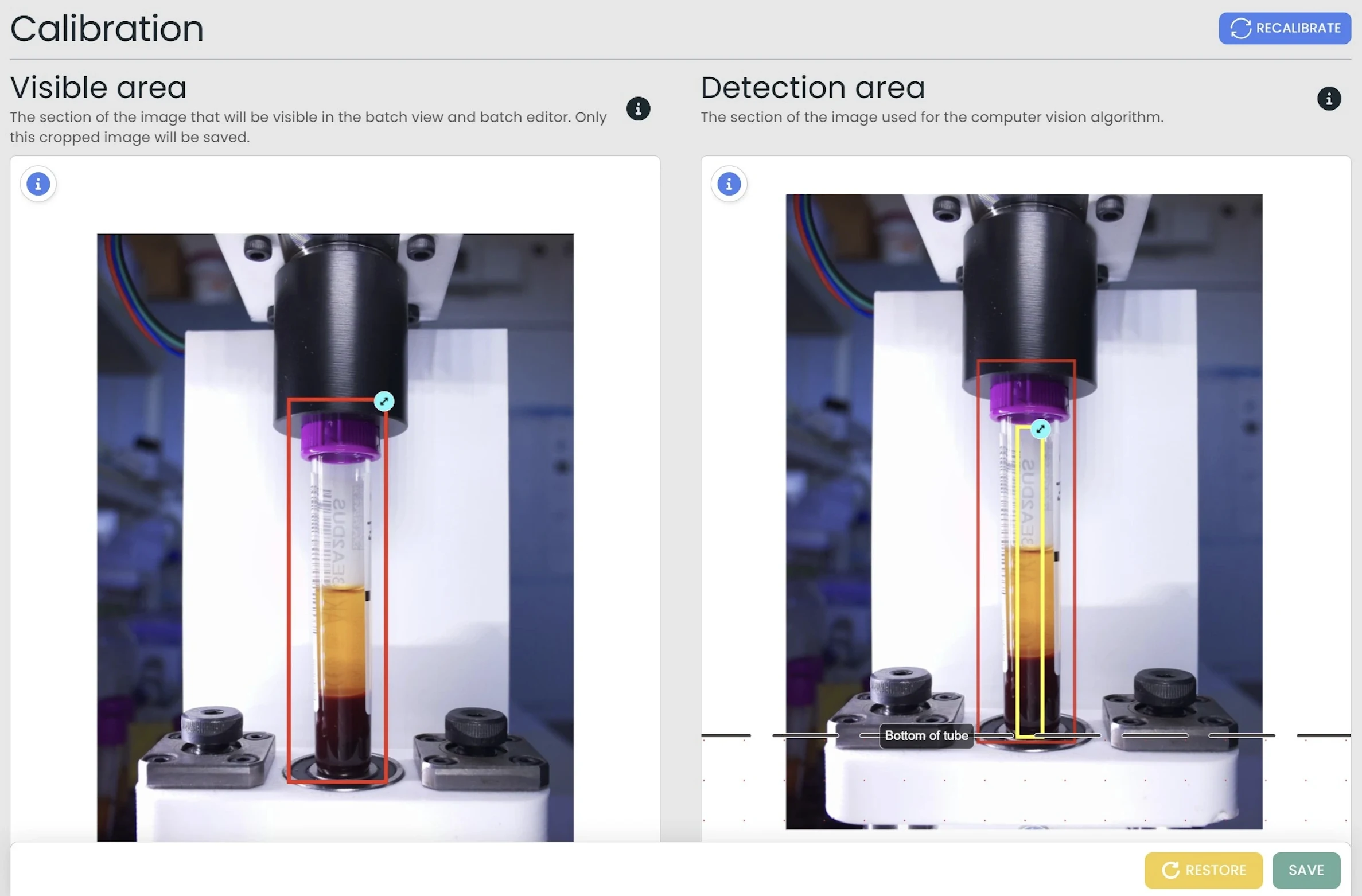
Clear presentation of loading guidance, parameters, run status, user interventions and recovery after an interruption.
External control
The FluentControl API allows other applications to start and stop protocols, query status and upload variables.
Connecting instruments and systems
Software delivers more value when it does not operate as an isolated data island.
Barcode readers, rack scanners, liquid handlers and other laboratory equipment can be linked to the workflow. Micronic whole-rack readers, for example, can send position-linked codes to text files, ODBC databases or network connections. Existing systems can exchange data through files, databases, APIs or documented instrument interfaces.
- instrument control and result capture
- barcode identity and location data
- file, database and API connections
- error handling and operation logs
Custom software development
We plan development around users’ daily tasks and the expected result.
After process discovery, the solution is divided into modules and deliverable milestones. It may be a web or machine-side application depending on where it must run, which equipment it communicates with and who will use it.
We account for future development from the first version so that introducing a new device, measurement or report does not require changing the entire system.